Introduction
Becoming a homeowner is one of life's most exciting milestones, but it can also feel overwhelming, especially when it comes to understanding your home's plumbing system. Whether you're sipping coffee in your new kitchen or sinking into the comfort of your living room, knowing how to navigate your plumbing is essential for maintaining a happy home. "Tips for First-Time Homeowners: Navigating Your New House’s Plumbing System" will help you get acquainted with this vital aspect of home care. From knowing where the main shut-off valve is located to identifying common plumbing issues, this comprehensive guide offers valuable insights for those who may be new to homeownership.
Understanding the Basics of Your Home's Plumbing System
What Is a Plumbing System?
At its core, a plumbing system consists of pipes, fixtures, and appliances that distribute water throughout your home. It also includes the drainage system that removes wastewater. This dual-functioning system is essential for daily tasks such as cooking, cleaning, and bathing.
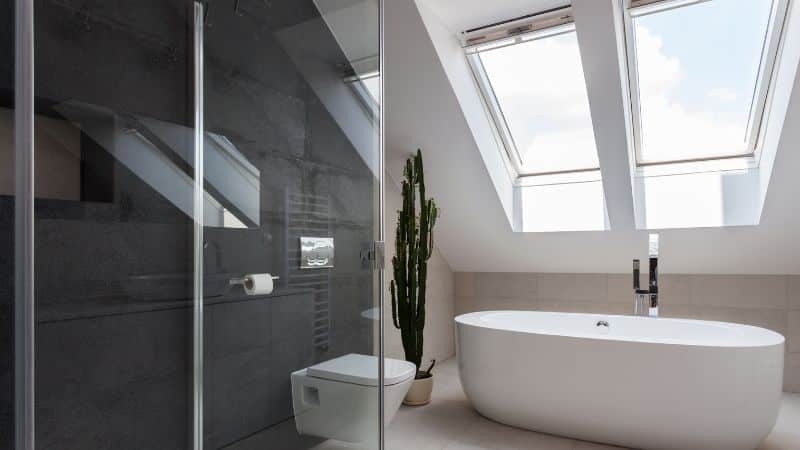
Key Components of Plumbing
- Pipes: The arteries of your plumbing system. Fixtures: Sinks, toilets, showers – these are where you interact with the plumbing. Appliances: Dishwashers and washing machines that rely on water. Drainage System: Removes waste from your home.
Plumbing Terminology Every Homeowner Should Know
Familiarizing yourself with basic plumbing terms can save you time and money. Here are some essential terms:
- Main Shut-Off Valve: The valve that controls water flow into your home. Trap: A bend in the pipe designed to catch debris while allowing water through. Backflow: The unwanted reversal of water flow in pipes.
Finding Your Main Shut-Off Valve
Why Is the Main Shut-Off Valve Important?
Knowing where your main shut-off valve is located can be a lifesaver during emergencies like burst pipes or significant leaks.
How to Locate It?
Typically found near the perimeter of your house—either inside or outside—the main shut-off valve could be near the basement wall or in an exterior wall facing the street. In colder climates, it’s often found in unheated areas.
Common Plumbing Problems for First-Time Homeowners
Dripping Faucets: What You Need to Know
A dripping faucet might seem trivial at first glance, but it can plumbing near me lead to water wastage and higher utility bills.
How to Fix It?
Identify if it’s a compression faucet or cartridge faucet. Turn off the water supply. Replace washers or cartridges as needed.Clogged Drains: Causes and Solutions
Clogs happen! Hair, grease, and food particles are common culprits.
DIY Solutions:
- Use a plunger. Pour baking soda followed by vinegar down the drain.
If these methods don’t work, it might be time to call a Plumber in O'Fallon IL for assistance.
Maintaining Your Plumbing System Like a Pro
Regular Inspections: Why They Matter
Conducting regular inspections can prevent minor problems from escalating into major repairs. Check for leaks under sinks and inspect exposed pipes regularly.

Winterizing Your Plumbing: Essential Steps
In colder months, ensure pipes are insulated to avoid freezing.
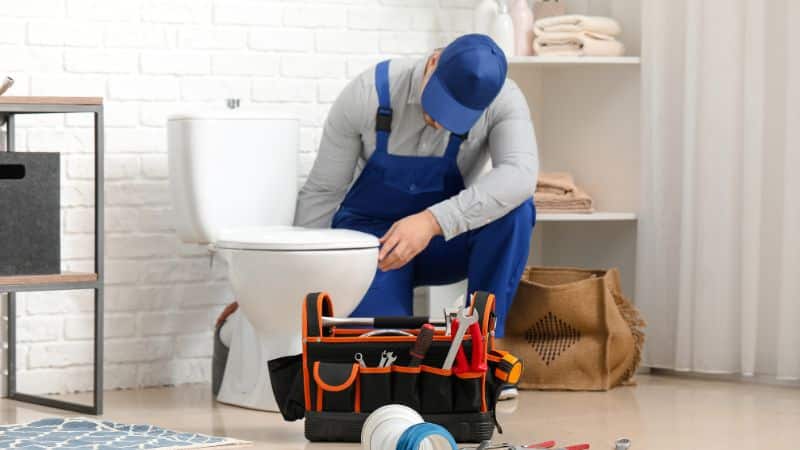
Steps Include:
Disconnect outside hoses. Insulate exposed pipes with foam sleeves.Understanding Water Pressure: What Is Normal?
What Should My Water Pressure Be?
Normal residential water pressure typically ranges from 40 to 60 psi (pounds per square inch). Pressure too high can damage appliances; too low might hinder shower performance.
How to Measure It?
Using a water pressure gauge attached to an outdoor spigot gives you an accurate reading.
The Importance of Water Quality Testing
Why Test Your Water?
Testing helps identify contaminants like lead or bacteria that may affect health.
How Often Should You Test?
At least once a year is recommended but increases if you notice changes in taste or color.
Choosing the Right Plumber in O'Fallon IL
Choosing a reliable Plumber in O'Fallon IL plumber is crucial when you're faced with complex issues beyond DIY fixes. Consider Alexander Plumbing & Remodeling LLC, known for their expertise and customer satisfaction.
FAQs About Homeowner Plumbing Issues
Q1: What should I do if I find a leak? A1: Turn off your main shut-off valve immediately and call a plumber for further assistance.
Q2: How often should I clean my drains? A2: Regular maintenance every few months can prevent clogs; however, professional cleaning once yearly is advisable.
Q3: Can I use chemical drain cleaners safely? A3: While they can be effective, they may harm pipes over time; consider natural alternatives first before using chemicals.
Q4: What's the best way to maintain my garbage disposal? A4: Run cold water while operating it and periodically grind ice cubes or citrus peels for cleanliness.
Q5: Are there any signs that my sewer line needs attention? A5: Yes! Look out for slow drains across multiple fixtures or sewage backups which could indicate blockage issues.
Q6: How can I improve my home's overall plumbing efficiency? A6: Install low-flow fixtures and regularly inspect hoses and connections for leaks or wear-and-tear.
Conclusion
Navigating through your new house's plumbing system doesn't have to be daunting! By arming yourself with knowledge about basic components and potential issues—alongside keeping handy tips from "Tips for First-Time Homeowners: Navigating Your New House’s Plumbing System"—you'll feel more confident tackling whatever comes up along the way. Don't hesitate to reach out to professionals like Alexander Plumbing & Remodeling LLC when things get complicated; they’re here to help!
Remember that proactive maintenance goes a long way in preserving not just your plumbing but ultimately your peace of mind as well. Happy homeowning!